As 2025 draws to a close, India is bracing for what experts predict could be its coldest winter in decades. Meteorologists and climatologists are pointing to one powerful global climate pattern as the key driver behind this — La Niña.
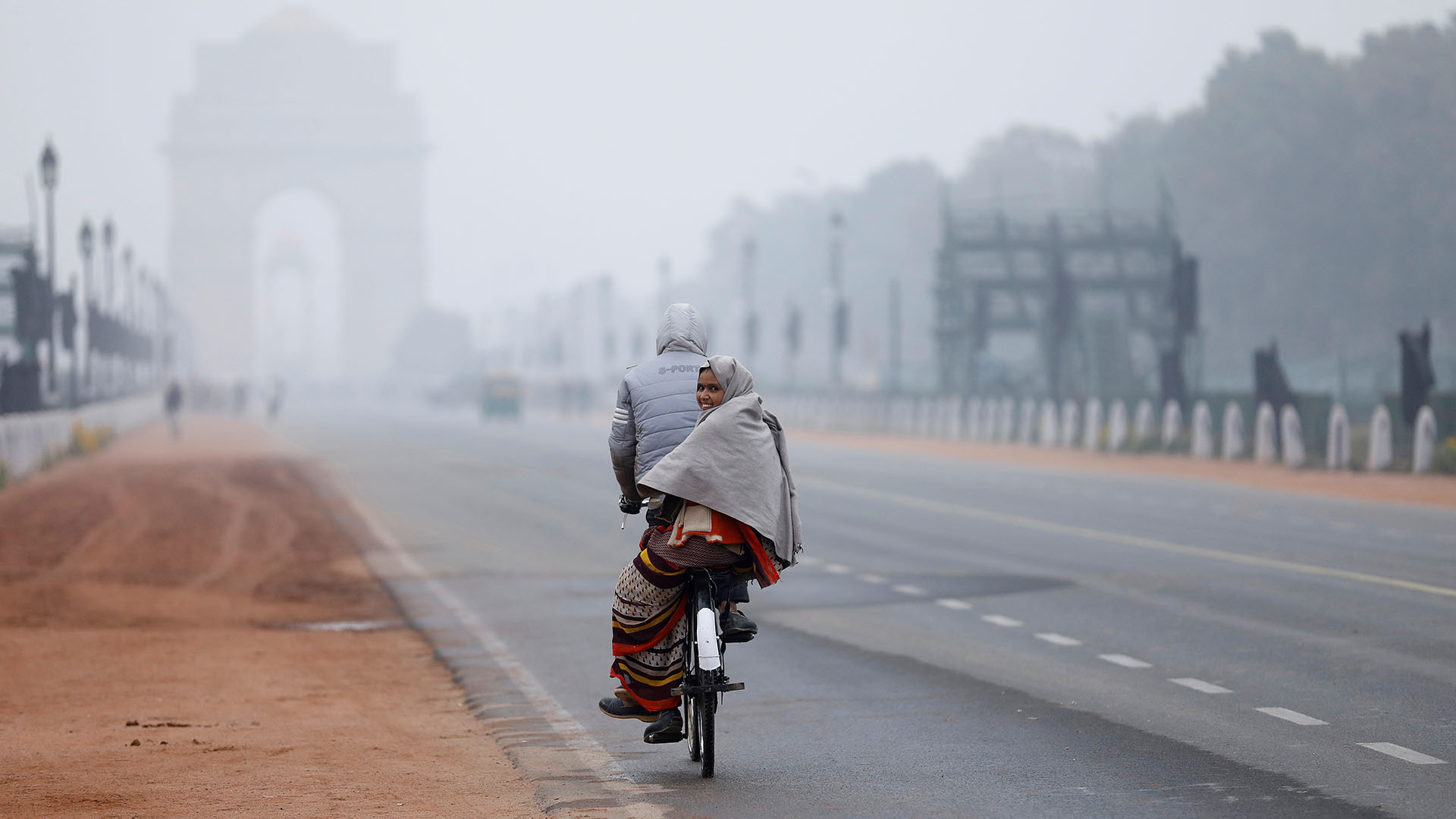
While winters in India often vary from mild to moderately cold depending on the region, this year could be sharply different. From the snow-clad valleys of Kashmir to the plains of Punjab, the deserts of Rajasthan to the coasts of Gujarat, the chill is expected to intensify — bringing unusually low temperatures, denser fogs, and prolonged cold waves.
But what exactly is La Niña? How does it cool India, and why are scientists warning that the 2025–26 winter could be one of the harshest in recent history? Let’s break it down in simple terms.
Understanding La Niña — The Sister of El Niño
To understand La Niña, we first need to grasp its counterpart — El Niño. Both are opposite phases of a natural climate cycle called the El Niño–Southern Oscillation (ENSO), which affects global weather patterns.

-
El Niño occurs when Pacific Ocean waters near the equator become unusually warm, disrupting normal atmospheric circulation. This usually leads to warmer global temperatures and weaker monsoons in India.
-
La Niña, on the other hand, is the cooling phase of the cycle. During this phase, cold ocean currents develop in the central and eastern Pacific, leading to stronger trade winds, cooler global temperatures, and sharper winters in many regions, including India.
In short:
El Niño = Warmer Earth + Weaker Monsoon
La Niña = Cooler Earth + Colder Winter + Stronger Monsoon
The Global Picture: How La Niña Affects Climate

When La Niña takes hold, it changes wind patterns and ocean currents across the world. The effects ripple far beyond the Pacific Ocean:
-
In North America: Winters become colder in the north and wetter in the northwest.
-
In Australia and Southeast Asia: Rainfall increases, often causing floods.
-
In Africa and South America: Certain regions experience droughts, while others get excessive rainfall.
-
Globally: Temperatures drop, sometimes significantly.
The Earth essentially experiences a temporary cooling phase — which can last anywhere between 9 months and 2 years.
Meteorologists have now confirmed that La Niña conditions are building up in the Pacific, with strong indicators that the 2025–26 winter season could be under its peak influence.

La Niña’s Impact on India’s Weather
For India, La Niña has always played a dual role — it strengthens the southwest monsoon, but also intensifies winter cold. In years when La Niña dominates, the Indian subcontinent typically experiences:
-
Excessive Monsoon Rainfall (June–September)
This year, India saw prolonged monsoons and late retreat, which saturated soil moisture and kept humidity levels high — a condition that contributes to denser fog formation in winter. -
Early Onset of Cold Conditions (October–November)
By late October, many northern states already recorded lower-than-average night temperatures. The early cool winds from the Himalayas signaled a faster-than-usual transition to winter. -
Intense Cold Waves (December–February)
During La Niña winters, the cold winds from the north and northwest (from Central Asia and the Himalayas) push deep into India’s plains, often triggering cold wave warnings in Punjab, Haryana, Delhi, Rajasthan, and Madhya Pradesh. -
Heavy Snowfall in the Himalayas
The mountain regions — Kashmir, Himachal Pradesh, and Uttarakhand — receive heavier and longer spells of snow, which keep the cold air flowing into the plains for weeks. -
Prolonged Winter Season
The winter doesn’t just start early; it also lasts longer. Instead of ending by mid-February, it can extend until late March, especially in northern and central India.
The Science Behind the Chill

During La Niña, air circulation patterns shift. Cold winds from the Pacific and Arctic regions are redirected southwards due to stronger pressure gradients.

In India’s case, this means:
-
Cold, dry winds from the Himalayas and Afghanistan flow deep into the plains.
-
The absence of western disturbances (or their delay) allows these cold waves to persist.
-
Radiational cooling — the process where heat escapes from the land surface during clear nights — becomes stronger due to clear skies and low humidity.
These combined effects lead to drastic night-time temperature drops, often pushing northern cities like Delhi, Amritsar, or Jaipur below 3°C during peak winter. Even southern cities like Bengaluru and Hyderabad might feel a noticeable chill this time.
Regional Impact: What to Expect Across India
1. North India (Delhi, Punjab, Haryana, UP, Rajasthan)
Expect bitter cold waves from December to February. Night temperatures could plunge to 2–4°C, with daytime highs struggling to cross 15°C. Dense fog could disrupt flights and trains for weeks.
2. Himalayan Belt (J&K, Himachal, Uttarakhand)
The mountains will likely witness heavy and frequent snowfalls, increasing avalanche risk but also boosting tourism in places like Shimla, Manali, and Gulmarg. The chill will descend earlier than usual — possibly by mid-November.
3. Central India (Madhya Pradesh, Chhattisgarh, Maharashtra)
The cold wave will extend deep into the central plateau, with early-morning temperatures dropping to 7–10°C. Farmers will need to protect crops from frost.
4. Eastern India (Bihar, Jharkhand, West Bengal, Odisha)
While not as severe, the east will experience longer cool spells and higher fog density, affecting transportation and agriculture.
5. South India (Telangana, Karnataka, Tamil Nadu, Kerala)
Even tropical states might feel a noticeable dip in temperatures. Bengaluru and Hyderabad could record early-morning lows around 12°C, while coastal Tamil Nadu may experience dry, crisp mornings.
The Fog Factor — A Looming Visibility Crisis
One of the most serious side effects of strong winters in India is dense fog — particularly over the northern plains.
During La Niña years:
-
Higher soil moisture from extended monsoons traps more humidity.
-
Clear skies and low wind speeds at night allow fog to form quickly.
-
The thick fog often lasts till late morning, reducing sunlight exposure.
This could cause massive disruptions in air and rail travel, and even impact daily productivity in northern cities. Authorities are already preparing visibility management plans for highways and airports.
Agricultural Impacts
La Niña winters, though harsh, can bring both benefits and challenges for Indian farmers.
Positive Effects:
-
Extended cool conditions are favorable for wheat, mustard, and chickpea crops.
-
Better soil moisture from the preceding monsoon supports healthy winter sowing.
Negative Effects:
-
Frost risk increases in Punjab, Haryana, and western UP, damaging tender crops.
-
Prolonged cold may delay the growth of certain vegetables and fruits.
Farm advisories are already urging farmers to cover vulnerable crops at night and use light irrigation to prevent frost crystallization on leaves.
Urban Implications — Power, Health & Infrastructure
1. Energy Demand Surge
With millions of heaters and geysers running, cities like Delhi, Lucknow, and Chandigarh are expected to see a spike in electricity consumption. Power grids must prepare for sustained peak loads.
2. Public Health Concerns
The cold season brings a rise in respiratory illnesses, flu, and asthma cases. The combination of cold air and pollution could worsen smog episodes in major metros.
3. Homeless and Vulnerable Populations
Prolonged cold waves can be deadly for the homeless and elderly. State governments are likely to set up night shelters and distribute blankets and warm clothing.
4. Urban Planning and Building Design
The extreme cold will push for better insulation and heating solutions in urban homes — a trend that could influence India’s construction and energy sectors.
Could Climate Change Be Making Winters More Extreme?
At first glance, a colder winter might seem to contradict the idea of global warming, but in reality, the two are interconnected.
Climate change doesn’t always mean warmer weather everywhere — it means more unpredictable extremes. While the planet warms overall, the atmosphere’s altered circulation patterns can lead to colder regional winters.
Some scientists believe the melting Arctic ice is weakening the jet stream — the fast-moving air current that controls weather movement — allowing cold polar air to spill southward, making La Niña winters even harsher.
So, paradoxically, India’s coldest winter in decades might actually be another warning sign of a changing climate system.
The Road Ahead — Preparing for Winter 2025–26

The India Meteorological Department (IMD) and climate observatories have already signaled that La Niña will dominate through March 2026.
Here’s what the coming months may look like:
-
November 2025: Early chill in north and central India
-
December 2025: First major cold wave; heavy snowfall in Himalayas
-
January 2026: Peak winter; dense fog across northern plains
-
February 2026: Gradual warming, but extended cool nights
-
March 2026: Delayed end to winter season
To stay prepared, citizens are advised to:
-
Keep warm clothing and blankets ready
-
Use heating devices safely to prevent fire hazards
-
Maintain indoor humidity to avoid dry skin and respiratory discomfort
-
Check on vulnerable neighbors or stray animals during cold spells
More Read

Conclusion
As La Niña tightens its grip on global weather systems, India is heading into a once-in-a-generation winter — colder, longer, and more intense than anything seen in recent decades.
But beyond the shivers and fog, this season also reminds us of the interconnected nature of climate systems — how the cooling of Pacific waters thousands of miles away can dictate whether Delhi freezes or Chennai chills.
While India braces for the cold, this is also an opportunity — to rethink energy use, protect the vulnerable, and adapt to nature’s rhythm. Winter 2025–26 may test our endurance, but it will also highlight our collective ability to adapt and stay resilient in the face of global climate shifts.