The Asia Cup 2025, hosted in Dubai, was expected to be a grand celebration of cricketing excellence in the subcontinent. Fans across Asia had been eagerly waiting for the India–Pakistan final, a rivalry that transcends sports and often becomes a cultural spectacle. While the cricket itself delivered high drama, the post-match chaos overshadowed the tournament’s legacy. What should have been remembered as a competitive final between two giants of the game is now etched in memory as the infamous trophy controversy.
This incident has created a storm of debates, from cricket boards to political circles, and from stadium stands to television studios. The final whistle did not mark the end of the contest; instead, it marked the beginning of an ugly dispute between the Board of Control for Cricket in India (BCCI) and the Pakistan Cricket Board (PCB).
The Build-Up to the Final
The tournament had already been tense with reports of unease between Indian and Pakistani players. Media stories circulated about Indian cricketers avoiding handshakes with their Pakistani counterparts. Small gestures, such as cold exchanges during tosses and distant interactions on the field, hinted at deeper issues simmering beneath the surface.
The final at the Dubai International Cricket Stadium saw India and Pakistan lock horns in front of a packed crowd. India, led by Suryakumar Yadav, managed to chase down Pakistan’s modest total after an early scare. Young stars like Tilak Varma and Shivam Dube held their nerve under pressure to seal the win. On paper, the victory should have been a moment of celebration, uniting Indian fans and giving the team a chance to proudly lift their ninth Asia Cup trophy. But destiny had other plans.


The Trophy Presentation Fiasco
After the match, both teams assembled for the award ceremony. The glittering trophy sat on a podium under the bright floodlights, waiting for its champions. Normally, this would be a straightforward moment: the winning captain accepts the cup from the chief dignitary, the team celebrates, and fans witness a joyous occasion.
Instead, the scene turned into chaos. The Indian team, led by their captain, refused to accept the Asia Cup trophy from Mohsin Naqvi, the PCB Chief and also the sitting President of the Asian Cricket Council (ACC). Their stance was clear: they would not take the prize directly from a Pakistani official amidst ongoing political tensions.
What followed shocked the cricketing world. After a brief standoff, the ceremony was disrupted, with reports claiming Naqvi took the trophy away in visible frustration. The image of a top official walking off with the tournament’s biggest prize became symbolic of the strained relations between the two boards.
Indian Perspective “Victory Denied”
From the Indian side, the refusal was framed as a matter of principle. Captain Suryakumar Yadav, addressing the press later, expressed disappointment that his team’s achievement was overshadowed by political and administrative drama. He insisted that the team had no issue with the trophy itself but objected to the way the presentation was arranged.
The Board of Control for Cricket in India (BCCI) quickly threw its weight behind the team, claiming that the Asia Cup had become unnecessarily politicized. Officials suggested that neutral representation should have been ensured at the ceremony, especially given the heightened sensitivities. BCCI insiders also hinted at lodging an official complaint with the International Cricket Council (ICC) about how the ceremony was mishandled.

For Indian fans, this was heartbreaking. The joy of defeating their archrivals in a final was replaced by frustration at watching their heroes walk away without lifting the cup. Many voiced their anger on social media, demanding accountability from the ACC and criticizing the PCB’s handling of the tournament.
Pakistani Perspective “Disrespect to the Game”
On the other side, Pakistan and its cricket board reacted strongly. Salman Agha, Pakistan’s captain, described India’s refusal as a blatant insult to the game and its traditions. According to him, cricket should rise above political rivalries, and a trophy presentation is a ceremonial event that should not be disrupted by personal or national grudges.
PCB officials accused the BCCI of dragging politics into a sporting event. Local media outlets in Pakistan ran heated debates, framing the refusal as an attack on Pakistan’s dignity in front of the cricketing world. Some even called for revisiting Pakistan’s participation in future Asia Cups if such behavior persisted.

For Pakistani fans, the controversy was equally bitter. Instead of celebrating a hard-fought final, they were left defending their board and questioning whether cricketing ties with India were sustainable under such hostility.
The Trophy’s Mysterious Whereabouts
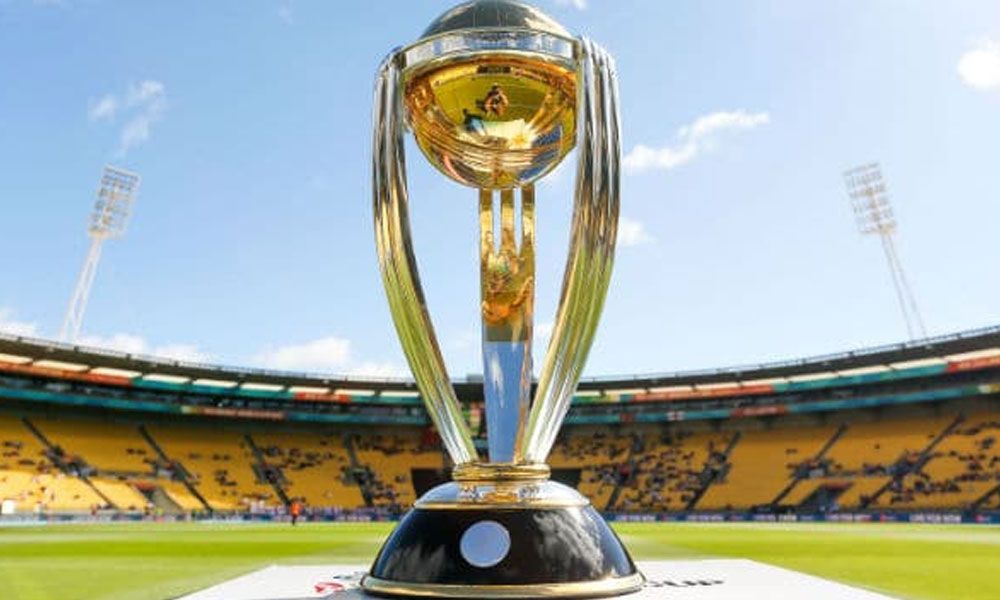
One of the strangest elements of the controversy was the fate of the trophy itself. Eyewitness accounts and media reports suggested that Mohsin Naqvi left the stadium with the trophy, though official confirmation never arrived. This added a layer of intrigue to the drama, with fans on both sides speculating whether the silverware had been locked away in a hotel room or returned quietly to ACC officials.
The symbolic disappearance of the trophy only deepened the sense of farce. A tournament designed to celebrate cricket ended with the central prize missing in action, a metaphor for the breakdown of sportsmanship.
Political Overtones and Fallout
The incident quickly crossed the boundaries of cricket and entered the political arena. In India, politicians across party lines commented on the controversy, with some accusing the PCB of deliberately provoking tensions. In Pakistan, leaders portrayed India’s actions as arrogant and disrespectful.
The incident also fueled rivalry in the media. Indian television channels labeled the PCB’s actions as an embarrassment for cricket, while Pakistani commentators criticized the BCCI for behaving like an unchallenged superpower in the sport. Social media, meanwhile, erupted with hashtags mocking both sides, further inflaming passions.
BCCI vs PCB: The Bigger Picture
The Asia Cup controversy is not an isolated episode. It fits into a long history of disputes between the two cricket boards. From disagreements over hosting rights to constant back-and-forth about bilateral series, the BCCI and PCB have rarely been on the same page.
For years, the PCB has argued that India’s refusal to play bilateral cricket denies Pakistan revenue and exposure. The BCCI, on the other hand, cites political tensions and security concerns as reasons for avoiding such engagements. This stalemate has led to both boards clashing frequently at ICC and ACC meetings.
The trophy controversy has now become another flashpoint in this already strained relationship. While the cricket boards continue their cold war, the sport itself suffers, with fans across Asia denied the joy of seeing their favorite rivalry flourish in a healthy environment.

Impact on Cricket Diplomacy
Cricket has often been seen as a tool for diplomacy between India and Pakistan. Iconic series in the past have eased tensions and fostered people-to-people connections. However, the events of Asia Cup 2025 show how fragile this idea has become. Instead of serving as a bridge, cricket is now deepening divides.
The refusal to accept the trophy is being analyzed as more than a sporting gesture. For many observers, it reflects the unwillingness of both nations to compartmentalize sports from politics. If cricket continues to mirror political hostility, the future of tournaments like the Asia Cup will remain uncertain.
Voices of Neutral Observers
Many former cricketers and neutral analysts have expressed dismay at how the situation was handled. Some argue that the ACC should have ensured a neutral dignitary handed over the trophy, while others insist that teams should prioritize sportsmanship over politics.
Veterans of the game warn that incidents like this could damage cricket’s global reputation. The Asia Cup has always been an event meant to showcase Asian unity in cricket, and this controversy has achieved the opposite.