
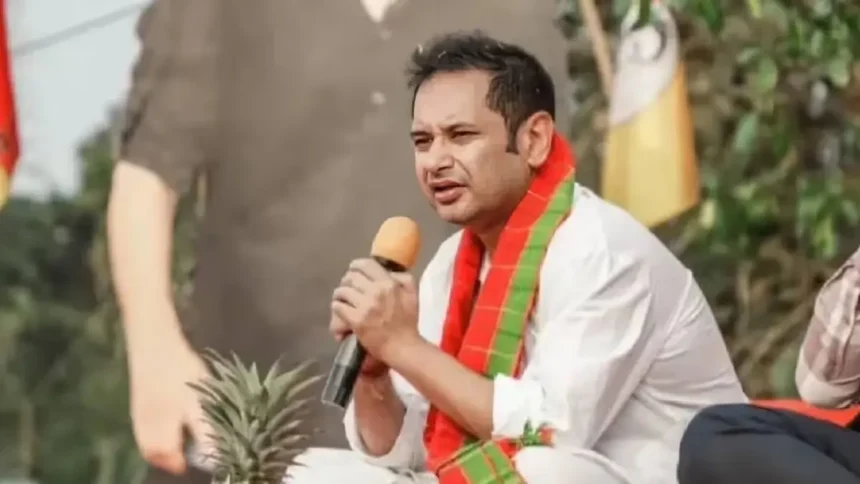
In the wake of serious violence in the Dhalai district of Tripura, the founder-leader of TIPRA Motha, Pradyot Kishore Manikya Debbarma, has issued a strong condemnation of the events. According to reports, the clashes occurred during a 24-hour bandh called in the district, and resulted in multiple injuries and damage to property. Pradyot emphasised that violence will not bring any meaningful outcomes and appealed for unity and peaceful dialogue to address underlying tribal and indigenous issues.
This blog explores the incident in Dhalai, the responses from various stakeholders including Pradyot, the political and social context of tribal demands in Tripura, the implications of violence for indigenous rights movements, and what this episode means for the future of community-relations and governance in the region.
The Incident in Dhalai: What Happened?
On October 23, 2025, a 24-hour “bandh” (shutdown) was organised by the Tiprasa Civil Society in Dhalai district, under the leadership of TIPRA Motha MLA Ranjit Debbarma. The protest was called to highlight demands including the implementation of the “Tiprasa Accord”, tackling alleged illegal immigration, issuance of fake SC/ST certificates, and broader indigenous rights issues.
According to media reports:
-
The shutdown turned violent in the Kamalpur subdivision of Dhalai district—particularly in the market area of Shantirbazar / Salema.
-
Shopkeepers were forced to close; some resisted, leading to clashes. Vehicles and a fire-service van were reportedly attacked, and police officers and administrative officials were injured.
-
At least 12 persons were injured (including government officials) according to one report.
-
The district administration has provided interim relief to 55 shopkeepers whose businesses were damaged.
-
Two arrests were made on October 25 in connection with the violence.
The incident quickly escalated into a law-and-order challenge, drawing condemnation from the state government, including calls for swift action.
Pradyot’s Response: Condemnation and Call for Unity
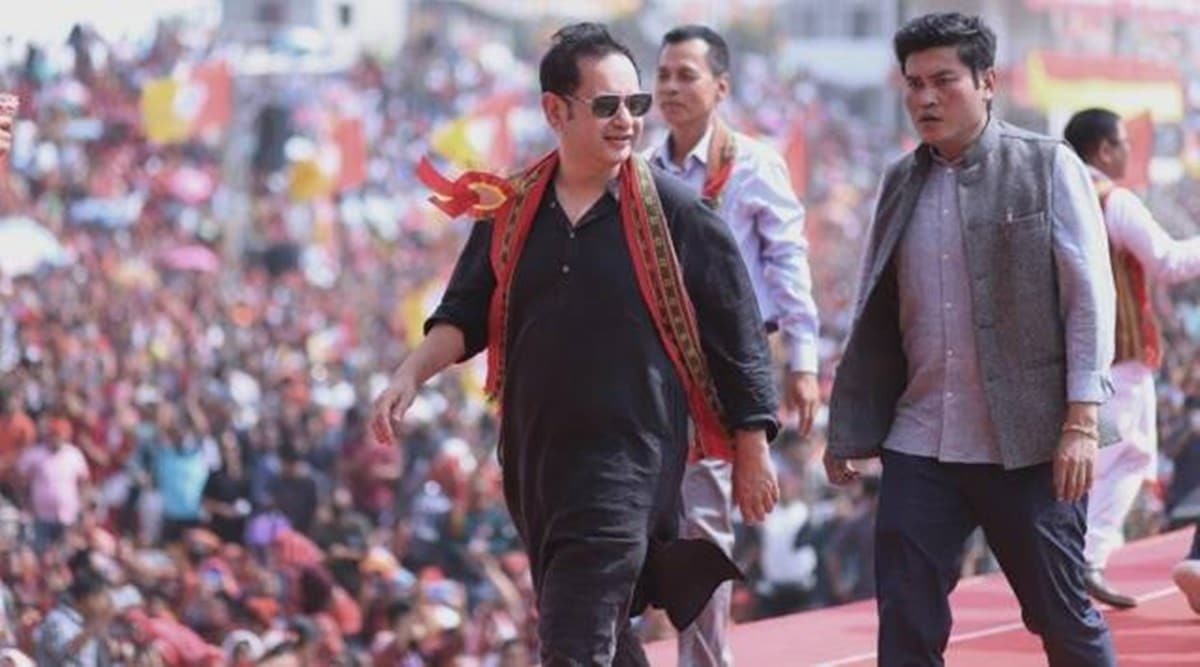
Amid the fallout, Pradyot Kishore Manikya Debbarma stepped forward publicly, condemning the violence and calling for peace. His key remarks included:
“Violence wouldn’t bring any results for anyone. Love and respect alone can bring positive results.”
He emphasised that unity among tribal communities, transcending political divisions, is critical to safeguarding their socio-economic, cultural and constitutional rights.
In addressing the annual conference of the Council of Tiprasa Hoda in Dhalai, he remarked that while protests and movements are legitimate, turning to destructive tactics undermines the movement’s objectives. He urged that even in dissent, community dignity and cohesion must not be sacrificed.
Background: TIPRA Motha, Indigenous Demands and the Tripura Context
TIPRA Motha and its Vision
TIPRA Motha (The Indigenous Progressive Regional Alliance) is the political party of indigenous Tiprasa people in Tripura. Founded and led by Pradyot, it champions the rights, identity, and development of tribal communities in the state.
Pradyot himself, as the founder leader, has in past emphasised dialogue, constitutional safeguards, and the “Tiprasa Accord” — an agreement meant to address long-pending tribal aspirations for autonomy, land rights, cultural recognition and migration concerns.
The Indigenous Rights Landscape in Tripura
Tripura has a complex history: large migration from neighbouring Bangladesh over decades altered demographic balances; the indigenous tribal communities (Tiprasa) have often felt marginalised. Movements for rights, autonomy and protection of culture have been intense.
The Tiprasa Accord (signed in 2024) aimed at addressing many issues: territorial safeguards, land rights, cultural autonomy. TIPRA Motha has been pushing for full implementation.
In this context, festivals, shutdowns and demonstrations by tribal civil society groups reflect underlying grievances. However, the turn from protest to violence raises concerns about the strategy.
Why This Incident Matters: Implications of Violence in Tribal Movements
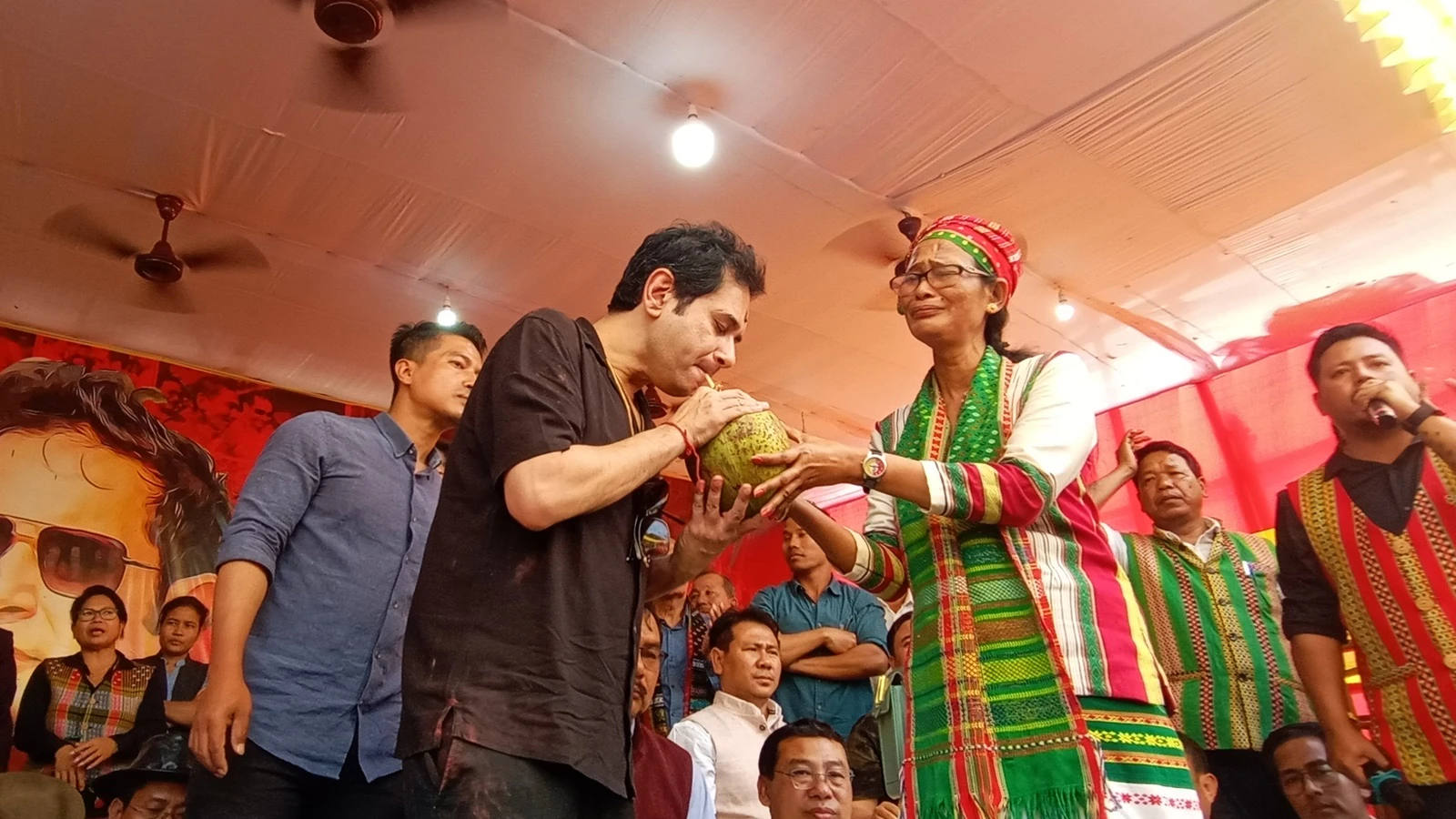
Undermining Moral Authority
When a movement centred on rights and dignity indulges in violence, it loses moral high ground. Pradyot’s statement that “violence brings no results” signals awareness of this risk: credibility and legitimacy are threatened if protests turn destructive.
Political Fallout
-
The state government (led by BJP and alliance) is under pressure; the violence adds strain in governance.
-
The incident also poses questions for TIPRA Motha, which as a regional party must decide whether to pursue protest via peaceful means or adopt harder tactics.
-
The rift between TIPRA Motha and its alliance partners may deepen if violence is blamed on supporters or affiliate groups. (CM’s statement hinting at “larger conspiracy”).
Socio-Economic and Administrative Disruption
Violence in district markets (Shantirbazar) affects livelihoods, trade, investor confidence. The interim relief to shopkeepers is necessary but indicates the toll.
Injuries to officials undermine administration’s capacity and compromise safety of civic services.
Risk of Communal/Tribal Polarisation
Although the conflict is not strictly communal in nature, the tribal vs non-tribal dimension is never far away in Tripura. Violence can exacerbate fault-lines, push groups into defensive positions, and hamper broader social cohesion.
Pradyot’s emphasis on unity aims to pre-empt such divisions.
Legal and Governance Implications
The arrests, inquiries, relief measures show that state will not tolerate disorder. But long-term success of tribal rights movements will depend on institutional redress, not just confrontations.
What Pradyot’s Message Signifies for the Future
A Return to Non-Violent Strategy?
By publicly rejecting violence, Pradyot signals a recalibration of strategy: emphasising peaceful protest, solidarity, cultural assertion rather than coercive tactics. This may help TIPRA Motha rebuild its image as responsible leadership.
Focus on Dialogue and Implementation
The call for “unity” and peaceful methods suggests the next phase of activism may emphasise constructive engagement: negotiations, legislative actions, mobilisation of public support, forming alliances.
For example, pushing the state government to accelerate the Tiprasa Accord implementation, rather than escalating shutdowns.
Strengthening Community Cohesion
Pradyot’s emphasis on tribal unity (beyond political division) implies a long-term vision: building strong civil society, cultural institutions, networks of solidarity that can withstand external pressures.
This is important for indigenous populations that often suffer fragmentation.
Responsibility of Leadership
Leaders like Pradyot must now manage not only activism but also discipline among supporters: ensuring protests remain peaceful, avoiding provocations, maintaining public order.
His call for “love and respect” rather than force sets a tone for leadership conduct.
Critical Reflections: Can Peaceful Protest Deliver?
Challenges Ahead
-
The structural issues remain: land rights, migration, economic disparities, cultural recognition — these cannot be solved overnight.
-
Momentum for peaceful protest can be slow, may frustrate impatient segments. There is always risk of splinter groups advocating tougher measures.
-
Ensuring that the state government acts with urgency is critical — otherwise tribal demands will remain in limbo.
-
The optics of violence already damage community backing among wider public; rebuilding trust takes time.
Opportunities
-
A non-violent strategy can broaden appeal beyond the tribal community; it can gain sympathy from non-tribals, civil society, media.
-
It can improve chances of negotiations, legislative action, policy implementation.
-
The leadership can focus on building institution-based redress mechanisms, not episodic shutdowns.
What This Means for Tripura: Governance, Society and Rights
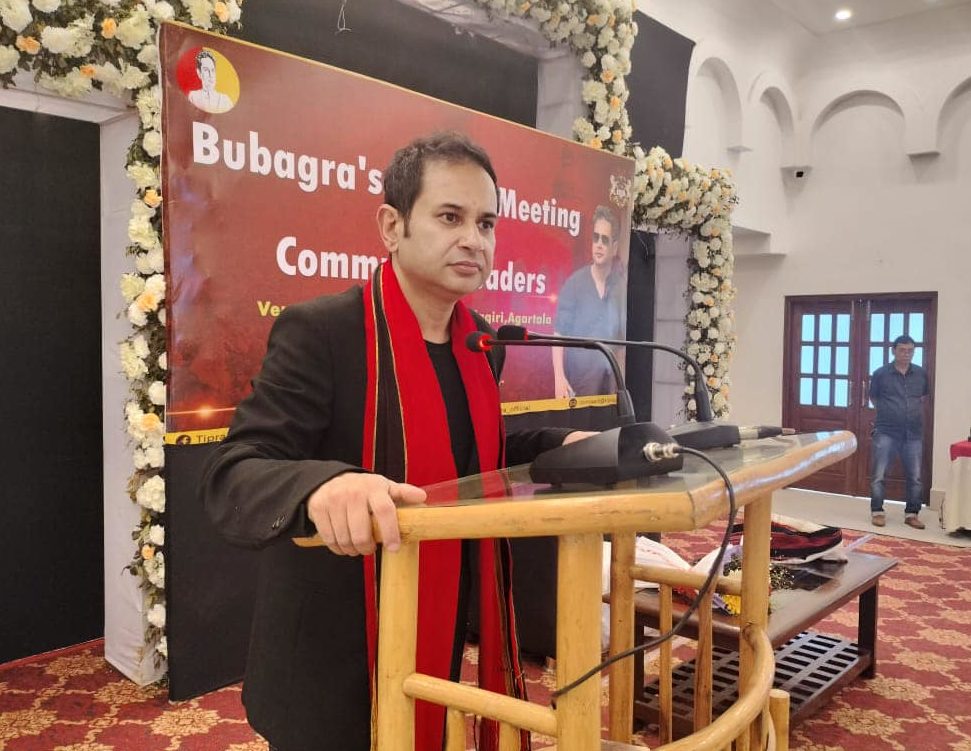
Governance and Law-and-Order
The state must handle the aftermath: arrests, justice, compensation, rebuilding affected markets, restoring public confidence. The symbolism of law supports order, but governance must also address root causes.
The administration will likely monitor future protests more closely; civil society must keep channels open.
Social Fabric and Indigenous-Migrant Relations
Any protest over tribal rights is set against the backdrop of migrant-indigenous relations in Tripura. Violence escalates mistrust. Efforts must ensure that tribal rights discourse does not spill into communal tension. Pradyot’s unity message is important here.
Economic and Human Development
Damage to businesses and disruption affect economic growth in tribal districts. For indigenous communities to prosper, stability is essential. A peaceful environment attracts investment, infrastructure, resources.
Political Dynamics
TIPRA Motha’s stance will be watched carefully: will it remain within mainstream politics, allied with government, or increasingly oppositional? The incident and the response may influence its internal cohesion, its public perception and its relationships with partners.
Key Lessons and Take-aways
-
Violence erodes credibility: Movements rooted in rights must guard their tactics; violence helps few and hurts many.
-
Leadership matters: Public condemnation of violence by Pradyot conveys that responsible leaders can steer movements away from destructive paths.
-
Dialogue over shutdowns: Protests must be matched by negotiation and policy push; otherwise, they risk descending into stalemate or conflict.
-
Community solidarity is crucial: For indigenous rights to succeed, fragmenting along political lines is counter-productive.
-
Address root issues: Land rights, cultural recognition, economic equity and migration concerns should be pursued in institutional manner.
-
Governance must respond: The state has responsibility to ensure law and order, support victims, but also tackle underlying grievances.
What Happens Next?
Short-Term
-
Investigation and legal action in Dhalai: arrests made, further suspects likely.
-
Relief and rehabilitation for affected businesses and individuals.
-
TIPRA Motha likely to convene internal discussions on how to manage protests and supporter behaviour.
-
State government and alliance partners may engage in damage-control, public reassurance, restoration of normalcy.
Medium-Term
-
Discussion on implementation of the Tiprasa Accord may gain momentum, as demands may be reframed away from protest to policy.
-
TIPRA Motha may emphasise community programmes, dialogue forums, cultural mobilisation rather than only shutdowns.
-
State authorities may review protest frameworks, permit mechanisms, district-level grievance redressal.
Long-Term
-
Rise of peaceful mobilisation culture could strengthen tribal political participation, community empowerment, awareness among non-tribal public.
-
If leadership holds, TIPRA Motha may gain broader acceptability, possibly become a model for indigenous political assertion in northeast India.
-
Tripura could move towards more inclusive governance, better implement tribal development, reduce communal tension, and promote economic growth in tribal areas.