
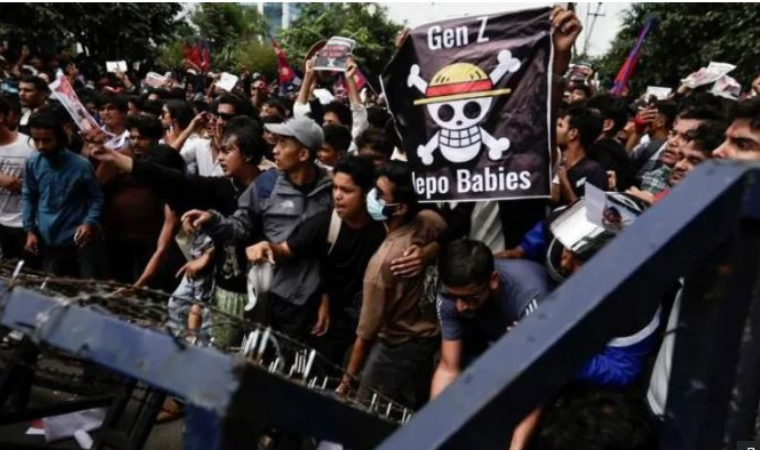
A nation of theatric serene mountains and cultural heritage, Nepal was brought to its knees in early September 2025 by one of the most fatal youth-led movements in recent history. What started as anger about a sudden ban on social media sites soon grew into a nationwide phenomenon spearheaded by Generation Z, a generation that was not ready to stay silent about corruption and other government overreach.
In Kathmandu and elsewhere at least 19 people were killed and hundreds wounded as demonstrators fought with security forces. In a few days, the government of Nepal had to stop its ban, take ministers in resignation, and promise investigations. However the wounds of those strained times are still deep, and it casts doubt on the question of administration, responsibility and future of democracy in Nepal.
Why Nepal Censored Social Media?
At 1230 hours on September 4, 2025, the government of Nepal banned 26 social media sites, namely Facebook, Instagram, WhatsApp, YouTube, X (previously Twitter), and Snapchat.
It was officially explained by “national security and compliance with the regulations”. Officials alleged that these platforms had not registered themselves as per new regulations that sought to prohibit disinformation, online fraud and data abuse.
But to a large number of Nepalese young people, this was not just a hassle. Social Media did not only provide entertainment-it was where activism did well, voices were heard and corruption was exposed. Viral posts have circulated in recent months and depicted the lavish lifestyles of the children of politicians, eliciting outrage over nepotism and inequality.
The ban seemed to young people like censorship in drag.
The Youth Take to the Streets
September 8 was something unheard of in Kathmandu. Thousands of youth, most in school uniforms, flocked around New Baneshwor and other central points. They carried the national flag, homemade placards and an indescribable determination.
Their mottoes were short and sweet:
- “So close the door to corruption, not social media.”
- “We want justice.”
- “This is our future.”
What started as an opposition against the ban soon turned out to be a demonstration against much more: unemployment, corruption and unaccountability in the government. The movement was like bush fire between Kathmandu and Pokhara, Birgunj to Itahari.
Violence Erupts
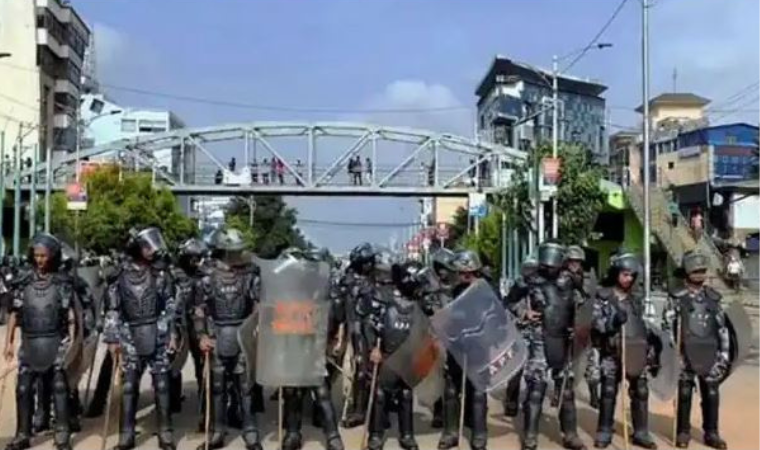
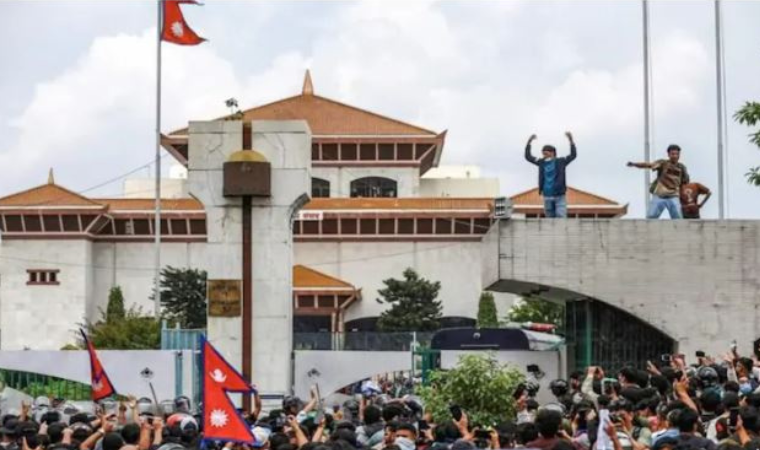
Tensions were growing as demonstrators flooded parliament. The security agencies used tear gas, water cannons, and rubber bullets to clear the crowds. Live ammunition was said to be fired in places.
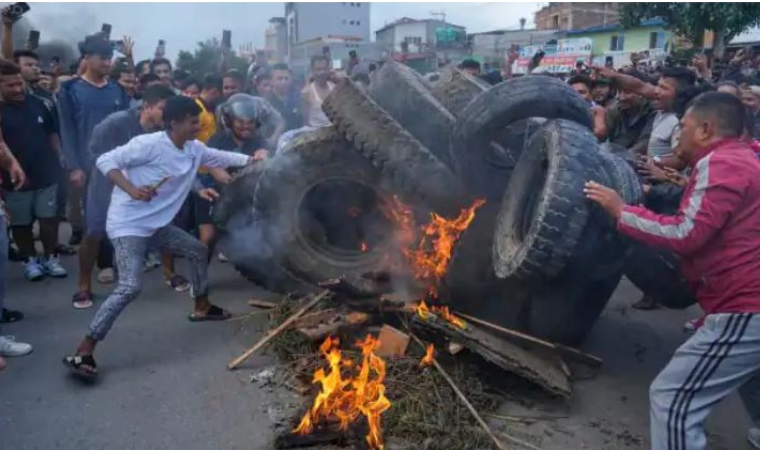
What ensued was anarchy: barricades removed, cars burned and confrontations that injured demonstrators and police alike. It was tragic by evening- 19 of them were dead, and over 300 others injured around the nation.
Kathmandu streets, which normally hosted traffic and tourists, became a battlefield.
A Minister Resigns
The magnitude of the violence was devastating the country. Local and global headlines were full of pictures of maimed students and bereaved families. It was a quick pressure on the government.
Home Minister Ramesh Lekhak quit the same evening, claiming the moral responsibility of the bloodshed. Resignation was perceived as a symbolic recognition of state failure, yet many said this was not enough.
Government Backtracks
When Nepal came under the scrutiny of mounting domestic wrath and international outrage, the Cabinet of Nepal reversed. Towards the end of September 8, the government declared that it had removed the social media ban. Platforms went back online, but major cities had curfews.
Prime minister KP Sharma Oli visited the country with the promise:
- A special investigation committee into the violence.
- Family compensation.
- Free health services to the injured.
The step was too late to many protesters. Nineteen lives were already lost.
Youth Uprising — the Symbolism
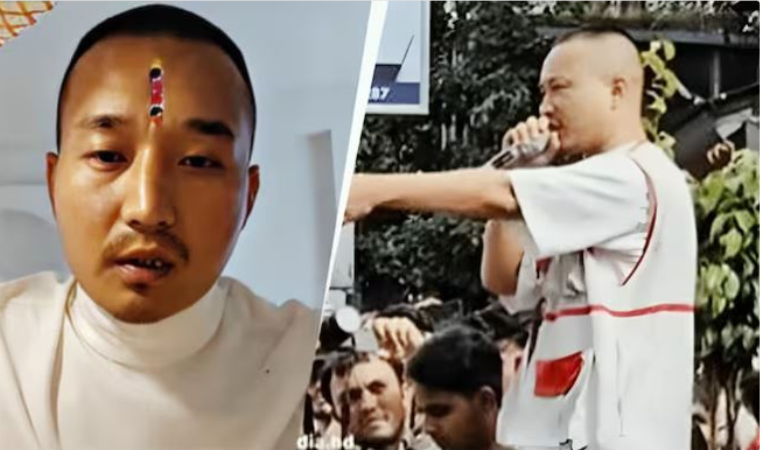
The demonstrations have already been dubbed as the “Nepal Gen Z Movement”.
This uprising was special unlike the demonstrations that occurred in the past since it:
- It was a youth movement and mostly engineered by teenagers and young adults.
- Even if social media was prohibited, the culture and conversations surrounding it fueled the rage, which was technologically inspired.
- Its focus was wider, covering issues like inequality, nepotism, and corruption in addition to free speech.
To the Generation Z of Nepal, the protests amounted to saying that they will not be silent in a system that has long marginalized them.
The Global Response
The use of excess force against the peaceful demonstrators was subject to criticism by international entities such as Amnesty international and the office of the UN High Commissioner of human rights. Demands to be accountable reverberated around the social sites in the world, which ironically, gave the same voices that the Nepal government had attempted to silence with so much strength.
International reporters, such as Reuters or The Guardian, framed the turmoil as democracy being challenged in a shaky Himalayan country attempting to strike a balance between rules and freedoms.
What Comes Next?
By mid-September 2025, Nepal is still tense. Social media sites have come back online, but there is more mistrust between the government and the young generations than ever.
Protestors still insist:
- True anti-corruption initiatives.
- Responsibility of the security forces that were used in the crackdown.
- Wider political reforms to guarantee representation among the youth.
It is not yet clear whether the government is going to fulfill its promises. However, there is at least one thing that is clear: Gen Z has discovered its voice, and it cannot be easily muted.
Conclusion
The Gen Z protests in Nepal will become a historical moment in the contemporary history of the country. A national protest over dignity, accountability, and change out of what started as an angry outcome of a digital ban.
The loss of 19 young citizens is a horrific lesson of the price of not listening to youth. However, their rebellion is also an indicator of a mighty change: a generation that is not ready to tolerate corruption and censorship as something that is acceptable.
The leaders of Nepal could have reinstated social media, yet this time they have a much greater task to perform, that of winning the confidence of a generation that has already discovered the power of speaking with one voice.