
It doesn’t begin with a dramatic moment. There’s no clear switch, no announcement. It’s quieter than that.
You open your phone for a quick check—just a notification, maybe a message. Ten minutes later, you’re watching something you didn’t search for, reading opinions you didn’t seek, and thinking thoughts that feel like your own. But somewhere in that flow, something subtle has happened.
Your choices weren’t entirely yours.
Welcome to the era of the Algorithm Brain—a way of thinking shaped not just by human cognition, but by invisible systems constantly predicting, filtering, and guiding what you see, feel, and eventually believe.
What Is Algorithm Brain—and Why It Feels Familiar
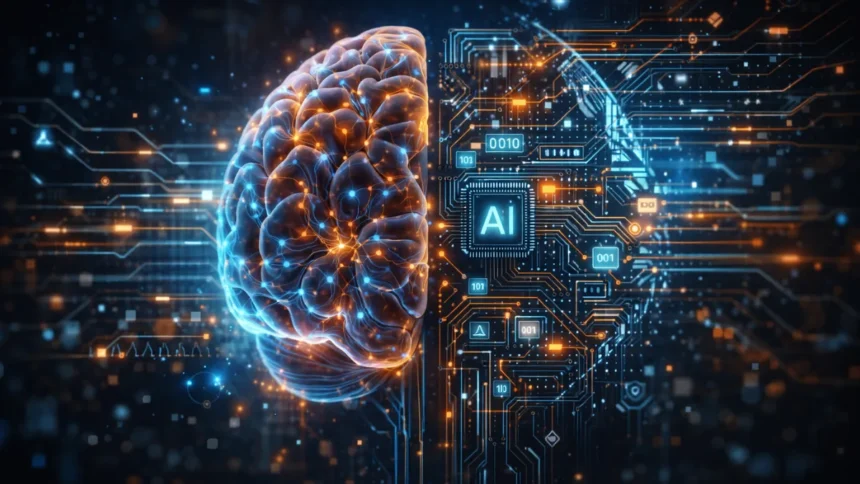
The Algorithm Brain is not a literal brain. It’s a pattern—a cognitive environment where human thinking increasingly aligns with algorithmic logic.
At its core, algorithms are designed to predict behavior. They study what you click, how long you stay, what you ignore. Over time, they build a version of you—often more consistent than you are yourself.
And here’s where it gets interesting:
As algorithms learn from us, we begin to learn from them.
Your feed becomes your reference point. Your recommendations become your preferences. Slowly, the boundary between what you think and what is shown to you starts to blur.
It feels natural because it’s designed to feel natural.

The Rise of the Algorithm Brain in Everyday Life
Not long ago, information required effort. You searched for it. You evaluated sources. You chose what to consume.
Today, information finds you.
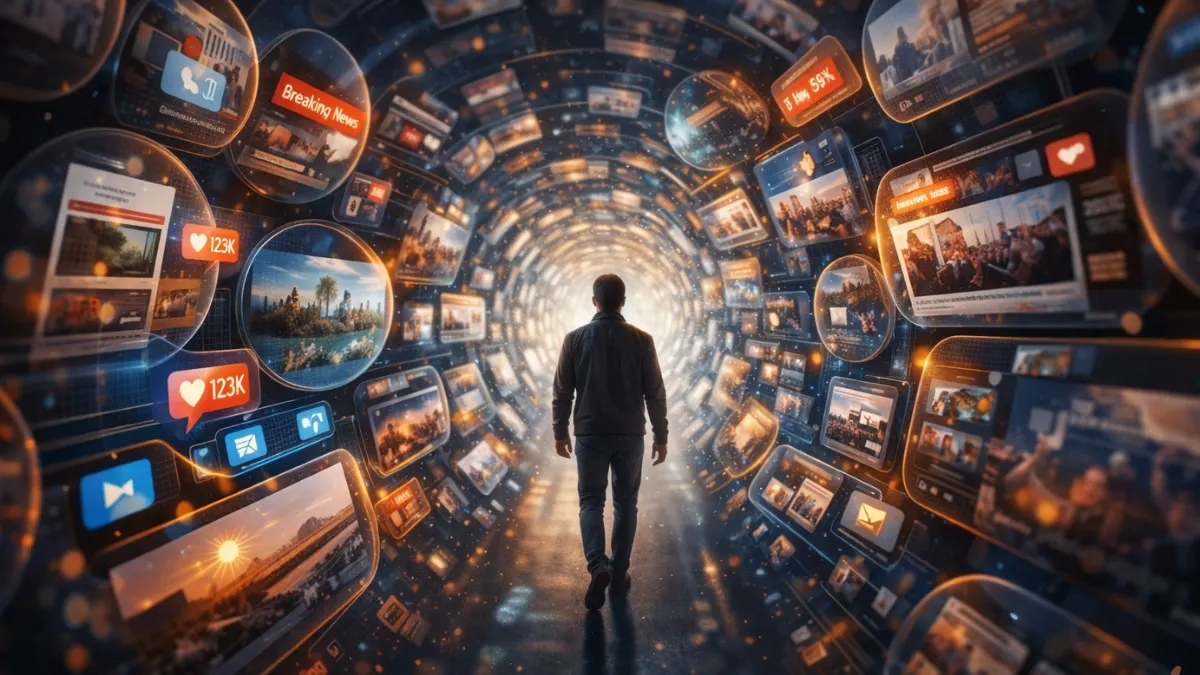
Streaming platforms decide what you watch next. Social media curates what you believe is trending. News feeds prioritize what keeps you engaged—not necessarily what keeps you informed.
The Algorithm Brain thrives in this shift from active selection to passive consumption.
Consider a simple example. You watch one video about fitness. Within hours, your feed is filled with diet plans, workout routines, body transformation stories. It doesn’t take long before you start thinking:
“Maybe I should focus more on this.”
The algorithm didn’t just show content. It subtly influenced direction.
Why the Algorithm Brain Matters More Than We Realize
At first glance, this seems efficient—even helpful. After all, who doesn’t want personalized recommendations?
But the deeper impact of the Algorithm Brain isn’t about convenience. It’s about control.
Algorithms optimize for engagement. That means they prioritize content that triggers emotion—curiosity, anger, excitement, validation. Over time, this creates a feedback loop:
- You see what aligns with your past behavior
- You engage with similar content
- The system reinforces that pattern
The result? A narrower version of reality.
This is not just about social media. It affects how we understand politics, culture, even ourselves. When exposure becomes selective, thinking becomes predictable.
And predictable thinking is easier to influence.
How the Algorithm Brain Shapes Decision-Making
One of the most underestimated effects of the Algorithm Brain is how it changes decision-making.
Traditionally, decisions involved comparison—multiple viewpoints, conflicting ideas, and conscious evaluation. Now, many decisions are pre-filtered.
You don’t choose from everything. You choose from what is shown.
Online shopping is a perfect example. You search for a product, but the first few results—often algorithmically prioritized—shape your perception of quality, price, and popularity.
The same applies to opinions. When certain narratives appear more frequently, they begin to feel more valid.
This is not manipulation in the obvious sense. It’s influence through repetition and visibility.
The Psychology Behind the Algorithm Brain
The effectiveness of the Algorithm Brain lies in its alignment with human psychology.
Humans are naturally drawn to:
- Familiar patterns
- Confirming information
- Emotional triggers
Algorithms amplify all three.
They reduce cognitive effort by showing what you’re likely to engage with. But in doing so, they also reduce cognitive diversity.
Over time, this creates a mental environment where:
- Contradictions are rare
- Complexity is simplified
- Nuance is replaced by clarity (even when misleading)
The brain adapts. It starts expecting quick answers, personalized content, and constant stimulation.
Patience declines. Depth feels unnecessary. Thinking becomes reactive rather than reflective.
Business, Power, and the Algorithm Brain
Behind the scenes, the Algorithm Brain is not just a technological phenomenon—it’s a business model.
Platforms compete for attention. The longer you stay, the more valuable you are. Algorithms are optimized to maximize that time.
This creates a shift in power. Influence is no longer just about authority or expertise. It’s about visibility.
Content that performs well algorithmically often shapes public discourse more than content that is factually superior.
This is why trends feel sudden. Why narratives change quickly. Why certain voices dominate while others disappear.
The algorithm doesn’t decide truth. It decides reach.
Can We Think Outside the Algorithm Brain?
The question isn’t whether the Algorithm Brain exists. It clearly does.
The real question is whether we can step outside it.
Awareness is the first step. Recognizing that what you see is curated—not complete—changes how you interpret it.
Small shifts matter:
- Actively searching instead of passively scrolling
- Reading beyond headlines
- Following diverse sources
These are not dramatic actions. But they restore something essential: intentional thinking.
Because the Algorithm Brain is powerful, but it is not absolute.
Where the Algorithm Brain Is Headed Next
The next phase of the Algorithm Brain is more immersive—and more subtle.
With advancements in AI, systems are moving from predicting behavior to shaping it in real-time. Recommendations are becoming more precise, more contextual, more personalized.
Imagine content that adapts not just to your interests, but to your mood. Ads that align with your emotional state. News that changes tone based on your engagement patterns.
The line between assistance and influence will become harder to define.
And that’s where the real challenge lies—not in rejecting algorithms, but in understanding their role in shaping perception.

Conclusion
The Algorithm Brain is not an external force. It is an evolving partnership between human behavior and machine intelligence.
It simplifies, accelerates, and personalizes. But it also filters, narrows, and influences.
The shift is not in what we know—but in how we come to know it.
And in that shift, the responsibility remains human.
Final Insight
The future of intelligence will not depend on how fast algorithms think, but on how consciously humans choose to think beyond them.-The Vue Times
Frequently Asked Questions
What is Algorithm Brain?
Algorithm Brain refers to a pattern of thinking shaped by digital algorithms that influence what content we see, engage with, and believe over time.
How does Algorithm Brain affect daily life?
It impacts decisions, preferences, and opinions by curating personalized content, often limiting exposure to diverse viewpoints.
Is Algorithm Brain the same as artificial intelligence?
Not exactly. Artificial intelligence powers algorithms, but Algorithm Brain describes how those systems influence human thinking patterns.
Can Algorithm Brain be controlled or avoided?
It cannot be fully avoided, but awareness and conscious content consumption can reduce its influence significantly.
Why is Algorithm Brain important today?
Because it shapes information flow, public opinion, and decision-making in a world increasingly driven by digital platforms.