

Saturday, 4 Jul 2026

Exclusive insights, data, and analysis for financial market experts.

Explore Now
The Vue Times
  • TVT +
  • India / National
  • Latest
  • Daily News
  • Business & Economy
  • India News
  • General Awareness
  • Viral / Trending Now
  • Politics
The Vue TimesThe Vue Times
Font ResizerAa
  • Home
  • Blog
  • Contact
Search
  • Home
  • Blog
  • Contact
Follow US
Business & EconomyFuture of WorkGlobal BusinessTechnology

Remote Work Culture – Will It Stay or Fade Away?

Rohit Verma
Last updated: July 3, 2026 5:30 am
Rohit Verma
Share
5 Min Read
Remote Work Culture – Will It Stay or Fade Away?
SHARE

The remote work culture, once considered a temporary adjustment during the COVID-19 pandemic, has now become one of the most debated workplace trends of the decade. Companies across India and the world are still asking the big question: Will remote work become a permanent feature of the economy, or will it slowly fade away as offices reopen?

Contents
The Rise of Remote Work: Background & StatsGovernment Policy ImpactIndian Industries’ Role in Remote Work1. IT & Tech Sector2. MSMEs & Small Businesses3. Other SectorsInternational ComparisonFuture Projections & Expert ViewsReal Stories from IndiaVisual Suggestions

For employees, remote work brought flexibility, reduced commuting time, and a better work-life balance. For businesses, it saved infrastructure costs but created challenges in collaboration, productivity, and culture-building.

This article dives into the Indian economy, global trade patterns, business news, and workplace trends to analyze the future of remote work.

Remote Work Culture – Will It Stay or Fade Away?

The Rise of Remote Work: Background & Stats

  1. Global Numbers: According to Gartner, 48% of employees worldwide worked remotely at least part of the time in 2021.

  2. India’s Case: NASSCOM reported that during 2020–21, over 90% of IT employees worked remotely, making India the world’s largest remote workforce hub.

  3. Stock Market Impact: The tech sector boomed, with IT companies reporting record profits due to savings on real estate and operational costs.
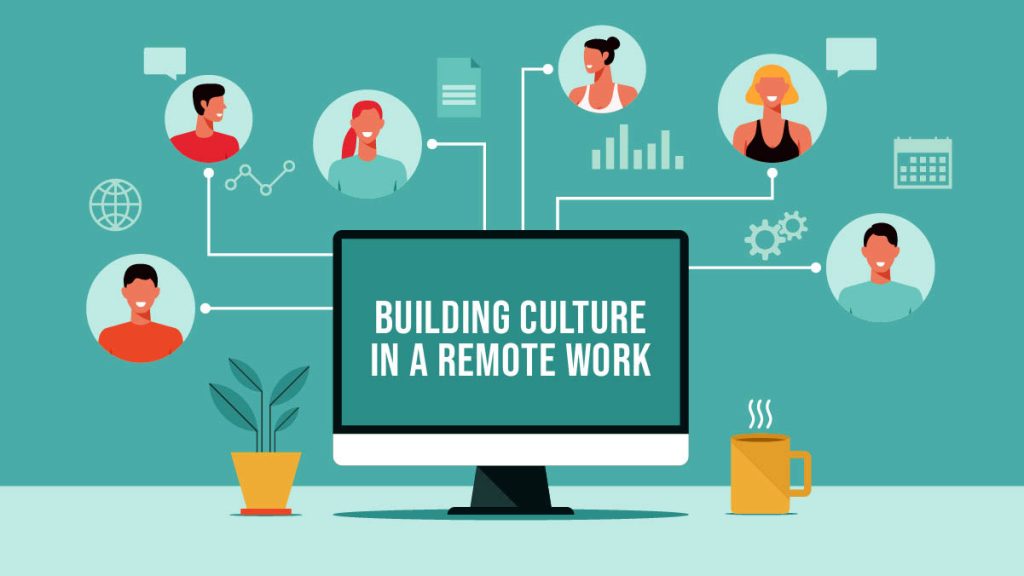
Remote Work Culture – Will It Stay or Fade Away?

India’s IT exports grew by 17% in FY2021-22, despite most employees working from home.

Government Policy Impact

The Indian government has played an important role in shaping the remote work ecosystem:

  • Digital India Mission: Boosted internet access in rural areas, enabling employees to work from their hometowns.

  • Work from Home (WFH) Rules in SEZs: Extended till 2025, benefiting IT & BPO companies.

  • Labor Code 2020: Focused on flexible working hours and employee welfare.

  • Atmanirbhar Bharat: Encouraged Indian startups to adopt digital-first models, many operating fully remotely.

This shows that policy and regulation are tilting in favor of hybrid and remote models.

Indian Industries’ Role in Remote Work

Remote Work Culture – Will It Stay or Fade Away?

1. IT & Tech Sector

  • Leading the way, with Infosys, TCS, and Wipro adopting hybrid models.

  • Startups like Zoho and Freshworks embraced permanent remote/hybrid setups.

2. MSMEs & Small Businesses

  • Many small firms adopted digital tools like WhatsApp, Zoom, and Google Workspace.

  • Example: A small textile exporter in Surat managing global orders via remote platforms.

3. Other Sectors

  • Manufacturing, retail, and healthcare still require physical presence.

  • Remote work here is limited to support roles like HR, finance, and IT systems.

International Comparison

  • United States: Hybrid is the norm. Companies like Google and Microsoft mandate 3 days in office, 2 days remote.

  • Europe: Strong pro-remote policies. France and Germany passed labor laws supporting flexible work.

  • China: Majority returned to office; cultural and productivity concerns limited remote adoption.

Compared to these, India is leaning toward hybrid — especially in tech and white-collar jobs.

Future Projections & Expert Views

Remote Work Culture – Will It Stay or Fade Away?

  • Hybrid Will Dominate: Experts predict that by 2030, 60% of white-collar jobs in India will be hybrid.

  • Rural Employment Boost: With good internet, Tier 2 & 3 cities will emerge as remote job hubs.

  • Stock Market Angle: Real estate (office spaces) may shrink, while tech and SaaS companies could see long-term growth.

  • Employee Expectations: Gen Z workforce demands flexibility, making remote work a competitive hiring advantage.

Real Stories from India

  • Riya, a software engineer from Bengaluru, moved back to her hometown in Assam. She continues to work remotely, saving rent and travel costs, while supporting her family.

  • A Delhi-based startup founder built a 20-member team completely online, reducing costs by 40% and hiring talent from smaller towns.

These stories highlight how remote work is not just survival, but an opportunity for inclusive growth.

Visual Suggestions

  • Graph: Remote vs Office workforce share in India (2020–2025).

  • Infographic: Pros & Cons of Remote Work for businesses.

  • Chart: Indian IT exports before & after remote work adoption.

You Might Also Like

Use AI Tools in Hindi & Regional Languages for Productivity
Common Money Mistakes Middle-Class Indians Should Avoid
Freedom of Speech vs Regulation in India
Open AI to Open First India Office as ChatGPT Usage Surges
Why Cost of Living Is Rising Faster Than Income in India
TAGGED:business newsdigital transformationemployee productivityfuture of jobsGlobal Tradeglobal workplace trendsHR policies Indiahybrid work modelIndian business newsIndian economyMake in India workforceremote jobs Indiaremote work cultureremote work futurestock market & jobstechnology and workwork from home Indiawork life balanceworkplace trends
Share This Article
Facebook Copy Link Print
3kFollowersLike
5kFollowersFollow
2kFollowersFollow
4.2kSubscribersSubscribe
WhatsAppFollow
2.5kFollowersFollow
Most Read

Another Strike on Pakistan: India to Stop Water Flow from Afghanistan, Allies with Taliban?

India Lands on the Moon – Chandrayaan-3 Makes History

India is Free! – The Night the British Raj Ended (August 15, 1947)

Mukesh Ambani Meets Donald Trump and Qatar Emir in Doha

Bumrah’s Test Captaincy in Doubt After Gill–Gambhir Meet

You Might Also Like

Administrative layers in India illustrating policy execution structure
Business & Economy

Bureaucracy and Policy Execution in India: Structural Realities

June 29, 2026
Indian workplace scene showing workers and managers under digital labour compliance screens (1)
Business & Economy

Labour Codes Reform: India’s Structural Shift in Employment Law

June 29, 2026
algorithm influence social media personalized feed showing different content for users
Business & Economy

Algorithm Influence Social Media

July 3, 2026
Real constraints shaping Indian startups including capital, regulation, and family responsibility
Business & Economy

Different Types of Startups in India and How Founders Choose Their Path

June 29, 2026
The Vue Times

About US

The Vue Times is a modern digital news platform dedicated to delivering accurate, timely, and insightful coverage of the stories that matter. From breaking news and business updates to technology, lifestyle, entertainment, and global affairs, we strive to keep our readers informed with credible journalism and balanced perspectives.

Top Categories
  • Bollywood
  • Business & Economy
  • Crime & Law
  • Daily News
  • Education & Career
  • Entertainment
  • Health & Wellness
  • India / National
Usefull Links
  • Home
  • Blog
  • Contact
  • Privacy Policy
  • Cookie Policy
Pune Rape-Murder Case
Crime & Law

Pune Rape-Murder Case Shocks India: Death in 55 Days

Read More
Maharashtra TET Paper Leak
Education & Career

Maharashtra TET Paper Leak Shocks 6 Lakh Aspirants

Read More

© The Vue Times. All Rights Reserved.

Welcome Back!

Sign in to your account

Username or Email Address
Password

Lost your password?