Introduction
Over the past decade, India has witnessed a dramatic shift in how careers, businesses, and innovation are perceived. Entrepreneurship, once considered risky and uncertain, is now actively encouraged and celebrated. At the center of this transformation lies one major policy initiative—the Startup India program. But beyond the headlines and success stories, a critical question remains: what is the real startup india scheme impact?
The rise of unicorn startups, billion-dollar valuations, and global recognition has created a powerful narrative. Yet, beneath this optimistic surface, many entrepreneurs continue to face structural challenges such as funding gaps, regulatory complexities, and intense market competition. This gap between perception and ground reality in India has made the discussion around startup policies more important than ever.
Understanding the startup india scheme impact is not just about counting startups or funding rounds. It is about evaluating how effectively the initiative has improved accessibility, sustainability, and inclusivity within the entrepreneurial ecosystem. This article presents a deep, balanced, and analytical exploration of the Startup India initiative—its benefits, limitations, and long-term implications.
Background and Context of Startup India Scheme Impact
The Startup India initiative was officially launched in January 2016 with the vision of transforming India into a nation of job creators rather than job seekers. Before this, starting a business in India involved significant bureaucratic hurdles, including lengthy registration processes, complex compliance requirements, and limited access to funding.
The government introduced Startup India to simplify these challenges and create an ecosystem where innovation could thrive. The initiative aimed to support startups across multiple dimensions—policy reforms, financial assistance, tax benefits, and infrastructure development.
Core Objectives Behind Startup India
| Focus Area |
Strategic Goal |
| Regulatory Simplification |
Reduce red tape and ease company registration |
| Financial Support |
Enable funding through government-backed funds |
| Tax Incentives |
Provide tax holidays and exemptions |
| Innovation Promotion |
Encourage research, patents, and technology |
| Employment Generation |
Create large-scale job opportunities |
Over time, the program has led to a significant increase in startup registrations. India is now recognized as the third-largest startup ecosystem globally. However, the startup india scheme impact varies widely across regions, industries, and stages of business development.
While metro cities have benefited significantly, smaller towns and rural areas still face barriers. This uneven growth raises important questions about inclusivity and long-term effectiveness.
What Is Happening Right Now: Current Startup India Scheme Impact
The current state of the Indian startup ecosystem reflects both rapid growth and emerging challenges. In recent years, India has produced more than 100 unicorns, attracting global investors and strengthening its position in the global market.
However, the ecosystem is also experiencing a shift. The focus is moving from aggressive growth to sustainable profitability.
Key Trends Shaping the Startup Ecosystem
- Startups are prioritizing revenue over valuation
- Investors are becoming more cautious in funding decisions
- Layoffs and cost-cutting measures have increased
- Deep-tech, AI, and SaaS sectors are gaining traction
- Tier-2 and Tier-3 cities are slowly entering the ecosystem
The startup india scheme impact today is being judged not just by the number of startups created, but by their ability to survive, scale, and contribute to the economy.
Despite policy support, startups are now facing real market pressures. This transition marks a more mature phase of the ecosystem, where efficiency and innovation matter more than rapid expansion.
Why Startup India Scheme Impact Is Controversial
The debate around the startup india scheme impact stems from a fundamental mismatch between expectations and actual outcomes. While the initiative has undeniably improved the startup environment, it has also exposed gaps in execution and accessibility.
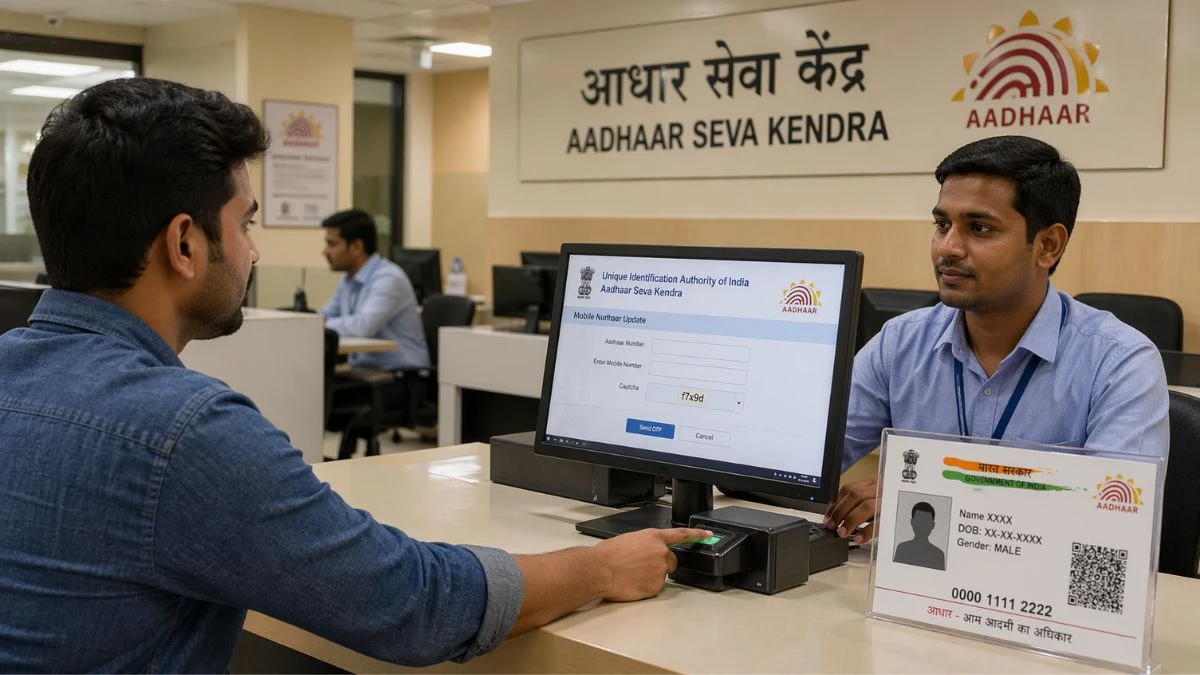
[caption id="attachment_9925" align="alignnone" width="1024"]

Startup India aims to simplify regulations and provide financial support to new businesses.[/caption]
Major Points of Controversy
- Accessibility of Benefits
Many startups struggle to qualify for official recognition, limiting their access to benefits.
- Urban Concentration
A large portion of successful startups are concentrated in cities like Bengaluru, Delhi, and Mumbai.
- Funding Inequality
Early-stage startups often find it difficult to secure funding compared to established players.
- Regulatory Complexity
Despite reforms, compliance requirements remain challenging for new entrepreneurs.
- High Failure Rates
A significant percentage of startups shut down within the first few years.
These issues highlight the gap between policy intent and ground-level implementation, shaping the broader reality india presents today.
Different Perspectives on Startup India Scheme Impact
Supporters’ View: Startup India Benefits and Positive Impact
Supporters argue that Startup India has fundamentally transformed the entrepreneurial landscape of the country. They believe the initiative has successfully reduced entry barriers and encouraged innovation.
Key Advantages Highlighted by Supporters
- Cultural Shift Toward Entrepreneurship
Entrepreneurship is now seen as a viable and respected career option.
- Improved Access to Funding
The rise of venture capital firms and angel investors has increased funding opportunities.
- Policy Support and Tax Benefits
The availability of tax exemptions and government support has reduced financial pressure.
- Global Recognition
Indian startups are gaining visibility on international platforms.
- Job Creation at Scale
Startups have contributed significantly to employment generation.
From this perspective, the startup india benefits are evident in both economic growth and mindset transformation.
Critics’ View: Ground Reality in India
Critics, however, present a more cautious view. They argue that the benefits of Startup India are not evenly distributed and that many structural challenges remain unresolved.
Key Concerns Raised by Critics
- Limited Reach of Benefits
Smaller startups often fail to access government schemes.
- Overemphasis on Valuation
Media narratives focus heavily on unicorns, ignoring smaller businesses.
- Regional Disparities
Non-metro areas face infrastructure and funding challenges.
- Operational Difficulties
Compliance, taxation, and legal processes remain complex.
- Unsustainable Growth Models
Many startups rely heavily on external funding rather than building profitable businesses.
These concerns highlight the nuanced reality india faces, where growth and challenges coexist.
Facts vs Claims: Startup India Scheme Impact Analysis
To understand the startup india scheme impact, it is essential to separate verified facts from popular narratives.
Verified Facts
- India is among the top startup ecosystems globally
- Thousands of startups have been officially recognized
- Government funding schemes and incubators have expanded
- Innovation across sectors has increased significantly
Common Claims
- Starting a business in India is now easy for everyone
- Funding is widely available for all startups
- Government support is accessible to all entrepreneurs
Analytical Reality
While progress has been made, the ecosystem is still evolving. Access to funding, mentorship, and infrastructure remains uneven. The startup india benefits are real but not universally experienced.
[caption id="attachment_9927" align="alignnone" width="1024"]

Access to funding remains one of the most critical factors for startup success.[/caption]
What People Might Be Missing in Startup India Scheme Impact
Most discussions focus on success stories, but several underlying factors are often overlooked.
Hidden Dimensions
- Survival Rate vs Startup Creation
Many startups are created, but fewer survive long-term.
- Skill and Knowledge Gaps
Founders often lack business management expertise.
- Mental Health Challenges
Entrepreneurship involves high stress and uncertainty.
- Overdependence on Funding
Startups relying heavily on investors face sustainability issues.
- Lack of Local Ecosystem Support
Smaller cities lack mentorship and networking opportunities.
These overlooked aspects play a crucial role in shaping the actual startup india scheme impact.
Impact on Society, Economy, and Users
The influence of Startup India extends beyond businesses and affects multiple layers of society.
Economic Impact
- Contribution to GDP growth
- Increased innovation and productivity
- Expansion of new industries
Social Impact
- Changing career aspirations among youth
- Rise in entrepreneurial mindset
- Increased participation of women (though still limited)
User-Level Impact
- Access to better and more affordable services
- Increased competition leading to innovation
- Faster adoption of digital technologies
However, the reality india shows that these benefits are more visible in urban areas compared to rural regions.
Role of Media and Narrative in Startup India Scheme Impact
Media plays a powerful role in shaping public perception of startups.
Positive Contributions
- Highlighting success stories
- Encouraging entrepreneurship
- Promoting innovation
Challenges in Media Narrative
- Overfocus on unicorn startups
- Ignoring failures and struggles
- Creating unrealistic expectations
This selective storytelling often amplifies success while underrepresenting challenges, influencing how the startup india scheme impact is perceived.
Bigger Picture and Future Outlook of Startup India Scheme Impact
The future of the Startup India initiative depends on how effectively it addresses current challenges.
Key Areas for Improvement
- Expanding support to Tier-2 and Tier-3 cities
- Encouraging sustainable business models
- Strengthening education and skill development
- Simplifying compliance and regulations
- Promoting deep-tech innovation
[caption id="attachment_9926" align="alignnone" width="1024"]

The rise of India’s startup ecosystem reflects both opportunity and challenges under the Startup India initiative.[/caption]
India has the potential to become a global startup leader, but achieving this requires a shift from rapid growth to sustainable and inclusive development.
The next phase of the startup india scheme impact will likely focus on quality over quantity, emphasizing long-term value creation.
Conclusion
The startup india scheme impact is a story of transformation, ambition, and ongoing challenges. The initiative has successfully changed how entrepreneurship is perceived in India and has created new opportunities for innovation and growth.
[ruby_related heading="More Read" total=5 layout=1 offset=5]
However, the reality in India reveals that significant gaps still exist in terms of accessibility, inclusivity, and sustainability. While success stories dominate the narrative, they do not fully represent the broader ecosystem.
To truly measure success, the focus must shift toward building resilient businesses, supporting diverse entrepreneurs, and ensuring that benefits reach all sections of society.
The future of Startup India will depend not just on policy, but on how effectively it adapts to evolving economic and social realities.
FAQ
What is startup india scheme impact?
It refers to the overall effect of the Startup India initiative on entrepreneurship, innovation, and economic growth in India.
Why is this topic controversial?
Because there is a gap between policy promises and real-world outcomes, leading to mixed opinions.
What are the key startup india benefits?
Tax exemptions, funding support, easier compliance, and government recognition for startups.
What is the reality india shows?
While opportunities have increased, challenges like funding gaps and regional inequality still exist.
Has Startup India created jobs?
Yes, startups have generated employment, though job stability varies.

















Comments (0)