

Fasting Without Water on Karwa Chauth: What Doctors Say About Diabetes, Pregnancy and BP
Is a waterless Karwa Chauth fast safe for everyone? Learn how nirjala fasting can affect diabetes, pregnancy and blood pressure, what to eat during sargi, warning signs to watch for and how to break the fast safely.

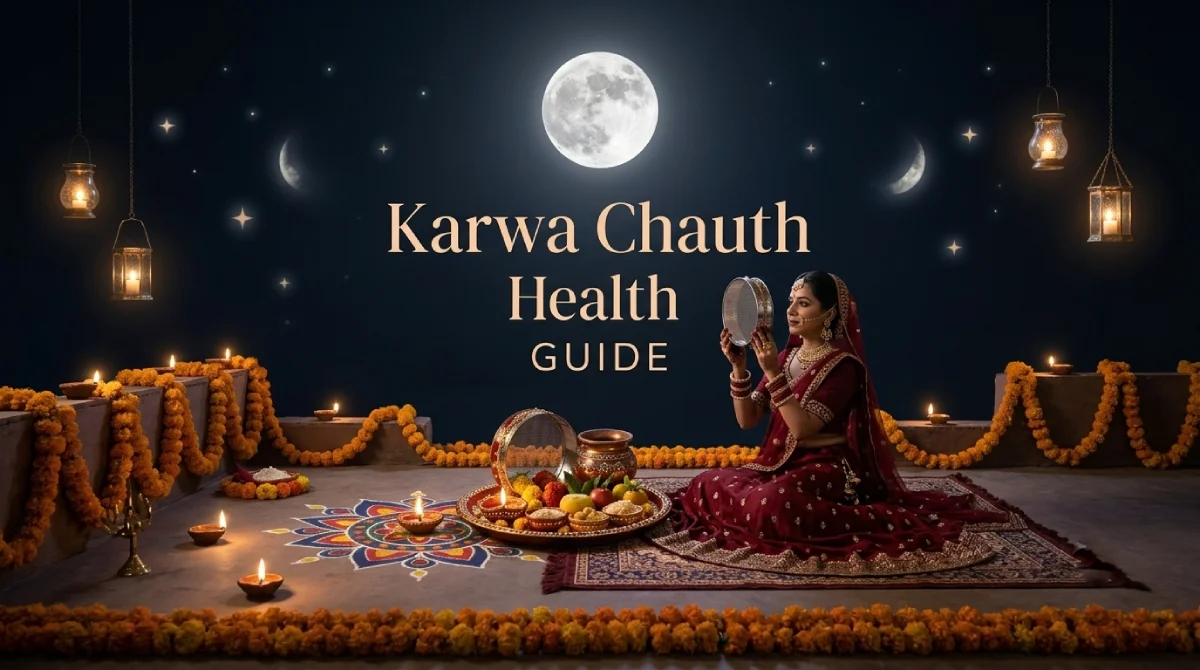
Fasting Without Water on Karwa Chauth: What Doctors Say About Diabetes, Pregnancy and BP
Karwa Chauth is a day of faith, family traditions and prayers. Together with sargi, many women start their fast before sunrise, and keep abstaining from food and water until they see the moon at night. However, one important question that arises when the fast is around 14 hours is whether a nirjala vrat is safe for all?
At Delhi, the fasting time of Karwa Chauth 2026 is expected to be from around 6:31 AM to 8:17 PM. This is a long period of time without water, especially for those suffering from diabetes, hypertension or being pregnant.
Doctors warn that fasting has different impacts on different people. Some healthy adults can fast without any problem, but a fast without any food or drink can lead to dehydration and blood sugar fluctuations and dizziness. It's best to be aware of your health concerns before you make a decision on how you will celebrate the festival.
What is it Like to do a Nirjala Fast?
A nirjala fast is a fast in which food and water are not consumed during the fast. Without fluids, the body gradually loses water through normal processes such as urination, breathing and sweating. Fluids can be lost because of warm weather, physical activity or certain medications.
Symptoms may range from thirst and headache to abnormally tired and dizzy, and dark urine. More serious dehydration may cause fainting, confusion or a rapid heartbeat.
Blood pressure also can be impacted by dehydration. Cleveland Clinic cardiologist Dr Steven Nissen's colleague Dr Michael Laffin, who has a specialty in cardiovascular medicine, says dehydration can cause alterations to the body's blood pressure-maintaining mechanisms. It can lead to lower blood pressure, and compensatory responses can sometimes lead to higher blood pressure.
That is why a waterless fast should not be regarded as a harmless fast, because it is only for one day.
Can Diabetics Do Fasting on Karva Chauth?
Fasting can have varying effects on blood glucose levels for people with diabetes, in need of extra care. Skipping meals can cause a drop in blood sugar, particularly for those who use insulin or some medications to lower blood sugar. There can also be an increase in blood sugar levels, as well as dehydration which can pose further risks.
Dr Sonali Kagne, Consultant Endocrinologist, Sir H. N. Reliance Foundation Hospital has given a caution to the people celebrating Karwa Chauth on precautionary measures like dizziness, sweating, and confusion. In a report released in newspaper she pointed out that those having warning signs should not fast but break it to avoid complications.
If blood sugar is poorly controlled, or there is a history of severe low blood sugar or diabetes-related complications, people with type 1 diabetes may not be advised to fast. Insulin users, as well as those using medications that can lead to low blood-sugar levels, should consult their doctor before the festival.
Never skip, delay or adjust diabetes medicines without your health care provider's direction for a fast. Ask your doctor about your medication schedule, glucose monitoring and a plan for treating low blood sugar. If you experience symptoms of hypoglycaemia, immediately follow your treatment plan.
Do Pregnant Women follow Nirjala Fast?
The need for regular fluid and good nutrition for both the mother and developing baby is more important during pregnancy. A prolonged period of time without water and food may lead to dehydration, weakness, dizziness and fluctuations in blood sugar.
Senior Consultant – Obstetrics and Gynaecology at Hospital has cautioned that extended fasting may be harmful during pregnancy. There is very little evidence to support religious waterless fasting during pregnancy, and therefore, should not be taken as a rule.
Pregnant women, especially gestational diabetics and those who are anaemic, have low weight gain, vomiting frequently and/or suffering from pregnancy complications, should not attempt a nirjala fast without medical supervision. The same precaution also holds true for breastfeeding women who might require more fluid and energy levels.
If you want to join in with the tradition, talk to your gynaecologist about the alternatives. This may require you to watch the puja along with taking water and food as per the doctor's advice or it might require you to skip the puja and take water and food as per the doctor's instructions.
What is High or Low Blood Pressure?
Medicines that alter the balance of fluids in the body or cause urination may be used to treat people with high blood pressure. Without water, it may be difficult to manage fluids and can impact blood pressure, especially for those with kidney or heart problems.
If you have hypotension, you might be more susceptible to dizziness, weakness or fainting if you get dehydrated. Individuals who are taking diuretics or other medications which impact blood pressure should pay special attention.
For those suffering from hypertension, hypotension, kidney disease or heart disease, consult your health care provider if it is safe to do a waterless fast. Never discontinue or modify medications without the physician's direction. A shortened fast with liquid meals might be a better choice for participating in the ceremonies of the day.
So, what to eat during Sargi?
Sargi is the Overnight meal traditionally eaten before the fast. Instead of eating junk food and candy, strive to eat a balanced meal with sustenance and hydration.
A sargi meal can consist of:
-
Whole grain: Anything made from oats, whole wheat roti or other whole grain filling grains.
-
Protein: paneer, curd, milk, nuts or other appropriate protein foods.
-
Fruit: banana, apple, orange or other seasonal fruit.
-
Healthy fats: small amounts of almonds, walnuts or seeds.
-
Fluids: water if you can drink it before you start your fast and it is not harmful to your health or fasting practice.
Very salty foods can make you thirsty and a high intake of sugary food can lead to low energy levels. Do not overindulge in food and select food that is good for digestion and any medical dietary restrictions.
A balanced sargi provides a good way to begin the day hydrated, but if you don't drink for many hours, that won't prevent dehydration.
Guide to a safe and healthy breaking of the fast after moonrise.
Once the moonrise rituals are over it may be tempting to indulge in a big feast right away. But a more soothing method might be easier on your tummy.
-
Begin by drinking fluids: If your doctor hasn't given you a fluid restriction, drink fluids slowly, unless they suggest drinking more.
-
Eat a small snack: Take a small snack such as a piece of fruit, curd or some other light food that helps to ease back into eating.
-
Eat a well-balanced meal: Incorporate vegetables, a protein and a grain based food depending on your dietary requirements.
-
Don't overdo fried foods and sweets: They can be uncomfortable to eat in large amounts after a period of fasting.
-
Follow the medical plan: Diabetics should monitor their blood sugar levels and take their physician's recommendations for stopping the fast in a safe way.
In individuals with kidney or heart disease, who have been advised to restrict fluids, do not adhere to the general advice, but follow the instructions given by their clinician.
When Do You Know You're Done With Fasting?
It's better to be healthy than to go on a fast at any price. If you feel dizzy, shivering, sweaty, unusually weak, or if you have vomited a lot, or if your blood sugar level is lower than usual, do not fast any longer but get medical help.
Chest pain, difficulty breathing, confusion or fainting is an emergency situation and requires immediate medical attention. If you are ill and feel seriously affected do not wait for the moon to rise.
If you have diabetes, do your own individual low-blood-sugar response plan. When dehydration or other medical condition is suspected, do not presume that it will be resolved through rest.
Is it possible to observe Karwa Chauth without fasting?
Yes, you may discuss some changes to your observance with your family and health care professional. Depending on your health and tradition you can either take part in the puja, listen to the vrat katha or dress up for it while giving yourself water and food and/or joining the rituals of your family.
Families have different religious practices. To prove devotion, do not put your health at risk. A safer way should be planned before a fast, for persons with a medical condition.
Final Thoughts
While some families find Karwa Chauth sacred, others may not be able to fast without water. The risks of not eating or drinking for approximately 14 hours are higher during diabetes, pregnancy, blood pressure issues, kidney disease, heart disease and some medicines.
Take a balanced sargi, consult with your physician about fasting if you have any concerns, know the signs and symptoms of fasting and come out of it slowly. To ensure that you are able to enjoy the festival without compromising your health, you should take a thoughtful and health-conscious approach to the event.
Medical note: This article is for information and should not substitute for your personal medical advice. Don't fast when you are pregnant, have a chronic disease or use regular medicine without talking to your healthcare professional first.







Comments (0)